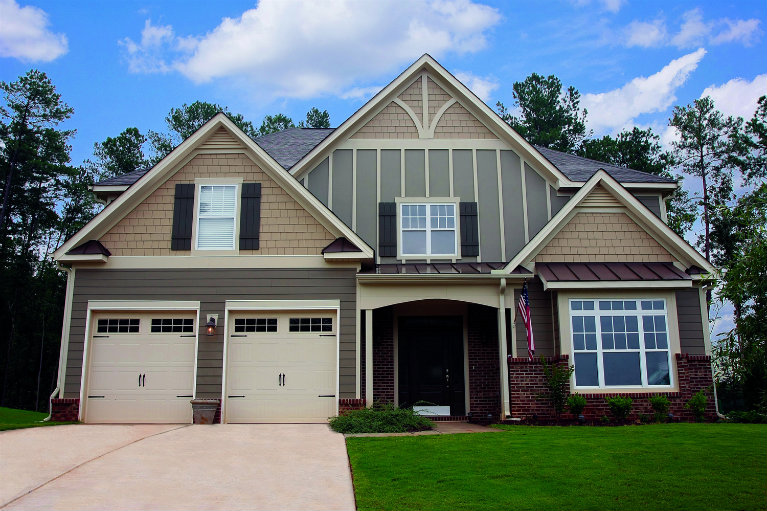

Sustainable construction practices have gained significant momentum in recent years as we collectively strive to reduce our environmental footprint and create buildings that are more efficient, durable, and environmentally responsible. At the heart of this movement are high-performance building materials that not only meet the rigorous demands of construction but also contribute to sustainability goals. In this article, we’ll explore the role of high-performance building materials in sustainable construction and highlight some of the key materials that are driving this transformative change.
The Imperative for Sustainable Construction
The construction industry is a major contributor to environmental degradation, consuming vast amounts of resources, energy, and water while generating significant waste and carbon emissions css facades. To address these challenges, sustainable construction practices aim to minimize the environmental impact of buildings throughout their entire lifecycle, from design and construction to operation and eventual demolition or renovation.
Key sustainability goals in construction include:
- Energy Efficiency: Reducing energy consumption and greenhouse gas emissions through efficient building design and materials.
- Resource Conservation: Minimizing the use of virgin materials, water, and other resources while optimizing recycling and reuse.
- Environmental Protection: Mitigating harm to ecosystems and preserving natural resources.
- Indoor Air Quality: Creating healthy, comfortable, and productive indoor environments for occupants.
- Resilience: Building structures that can withstand extreme weather events and climate change impacts.
- Economic Viability: Ensuring that sustainable buildings are cost-effective in terms of construction and operational expenses.
High-performance building materials are integral to achieving these goals and transforming traditional construction into a more sustainable industry.
Characteristics of High-Performance Building Materials
What sets high-performance building materials apart from traditional options? They possess specific characteristics that make them ideal choices for sustainable construction:
- Durability: High-performance materials are engineered to withstand wear and tear, environmental stresses, and the test of time. Their durability reduces the need for frequent repairs and replacements, thus conserving resources and reducing waste.
- Energy Efficiency: These materials often have excellent insulation properties, reducing heat transfer and energy consumption for heating and cooling. They can help maintain comfortable indoor temperatures and lower energy bills.
- Sustainability: High-performance materials often incorporate recycled content or renewable resources, reducing the environmental impact of construction. Additionally, their extended lifespan contributes to sustainability by minimizing the frequency of new material production.
- Low Maintenance: High-performance materials are designed to be low-maintenance, reducing the resources and labor required for building upkeep over time.
- Environmental Certifications: Many high-performance materials come with sustainability certifications, such as LEED (Leadership in Energy and Environmental Design), that validate their environmental performance.
Now, let’s explore some of the high-performance building materials that are making waves in sustainable construction:
1. Structural Insulated Panels (SIPs)
Structural Insulated Panels, or SIPs, are prefabricated panels with insulating foam cores sandwiched between two layers of structural sheathing. They offer exceptional insulation properties, helping maintain consistent indoor temperatures while reducing heating and cooling costs. SIPs are easy to install and provide structural strength, making them an excellent choice for energy-efficient and sustainable construction.
2. Cool Roofing Materials
Cool roofing materials are designed to reflect sunlight and absorb less heat, reducing indoor temperatures and cooling costs. These materials, which include reflective roofing membranes, cool roof coatings, and green roofs, contribute to energy efficiency and combat the urban heat island effect. They are particularly beneficial in hot climates.
3. Insulated Concrete Forms (ICFs)
ICFs consist of interlocking blocks made from insulating foam, which are then filled with concrete. They provide exceptional insulation, soundproofing, and resistance to fire. ICFs are not only energy-efficient but also durable, making them suitable for both residential and commercial construction.
4. Low-E (Low Emissivity) Windows
Low-E windows have a special coating that reduces the transfer of heat and blocks harmful UV rays. They help maintain comfortable indoor temperatures, reduce energy consumption, and protect interior furnishings from fading. These windows enhance both energy efficiency and indoor comfort.
5. Fiber-Reinforced Polymers (FRPs)
FRPs are lightweight, high-strength materials used in various applications, such as reinforcing concrete structures, building facades, and bridges. They offer exceptional corrosion resistance and durability, making them ideal for long-lasting and sustainable construction.
6. Engineered Wood Products
Engineered wood products, including laminated veneer lumber (LVL) and engineered wood siding, offer the structural strength of traditional wood with improved stability and resistance to decay. They are used in framing, flooring, and cladding, contributing to resource conservation and sustainability.
7. High-Performance Insulation
High-performance insulation materials like spray foam insulation, aerogel, and vacuum insulation panels provide excellent thermal resistance, minimizing heat transfer and improving energy efficiency. Proper insulation is a cornerstone of sustainable construction.
8. Photovoltaic (PV) Solar Panels
PV solar panels generate electricity from sunlight and can be integrated into building materials like roofing shingles or mounted on building surfaces. They contribute to energy generation and reduce reliance on grid power, making them a popular choice for sustainable construction.
9. Biodegradable Materials
The development of biodegradable building materials is an emerging trend in sustainable construction. These materials can decompose at the end of their lifecycle, reducing the environmental impact of construction and disposal.
10. Smart Materials
Materials embedded with sensors and technology are transforming the construction industry. Smart materials can provide real-time data on building performance, enabling proactive maintenance, energy optimization, and improved occupant comfort.
Conclusion
High-performance building materials are driving the shift toward more sustainable construction practices. These materials offer a range of benefits, including enhanced durability, energy efficiency, resource conservation, and reduced maintenance requirements. They contribute to environmental protection, occupant comfort, and the overall resilience of buildings in the face of climate change.
As the construction industry continues to prioritize sustainability, high-performance building materials will play a pivotal role in creating structures that are not only efficient and cost-effective but also environmentally responsible. Whether you’re an architect, builder, homeowner, or environmental advocate, incorporating these materials into your construction projects is a significant step toward a more sustainable and resilient built environment.