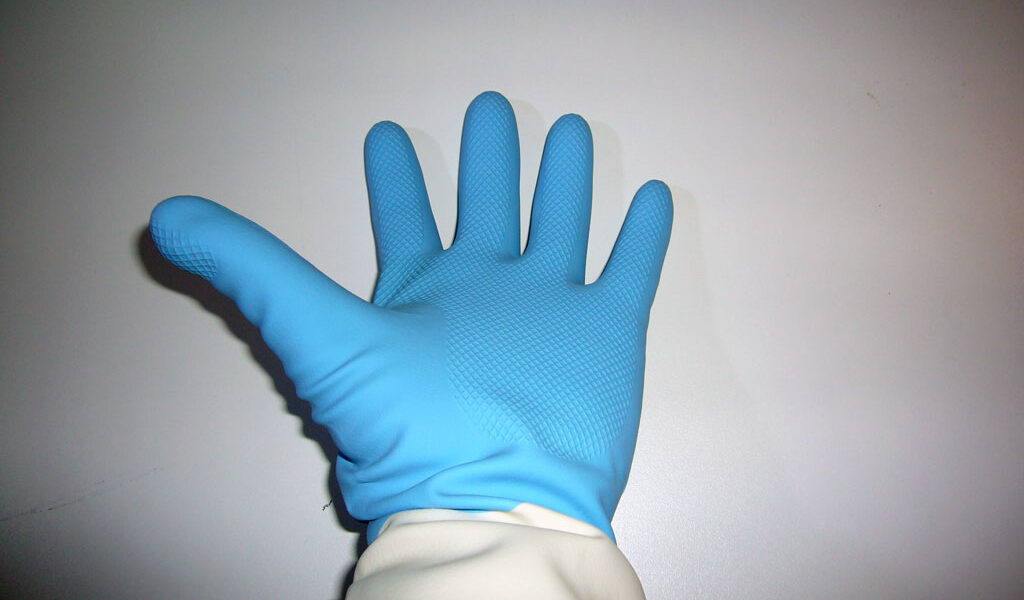

In the modern world where hygiene and safety are paramount, nitrile gloves have emerged as a critical tool in maintaining high standards across various industries. From healthcare to food service, these gloves provide essential protection against contamination, chemicals, and pathogens. This article explores why nitrile gloves are a favored choice for professionals and how they can serve as your trusted partner in hygiene and safety.
Understanding Nitrile Gloves
Nitrile gloves are synthetic rubber gloves that offer a superior alternative to latex and vinyl gloves. Made from nitrile butadiene rubber, they are noted for their resistance to oils, acids, and various chemicals. Unlike latex gloves, they do not trigger allergies, making them an ideal choice for individuals sensitive to latex.
Benefits of Nitrile Gloves
- Allergy-Safe: Free from latex proteins, nitrile gloves reduce the risk of allergic reactions.
- Chemical Resistance: They provide excellent protection against a wide range of chemicals, including solvents and corrosives.
- Durability and Puncture Resistance: Nitrile is more puncture-resistant than other materials, offering better protection against sharp objects.
- Comfort and Flexibility: These gloves are crafted to offer comfort and flexibility, even during extended wear, ensuring they can be used across various tasks without causing hand fatigue.
Key Industries Relying on Nitrile Gloves
Healthcare
Nitrile gloves are indispensable in healthcare settings. They protect both healthcare providers and patients from the transmission of infectious agents during procedures and care activities. Their puncture resistance is crucial for handling needles and other sharp instruments.
Laboratories
Scientific research and testing laboratories use nitrile gloves to protect personnel from chemical exposures. The gloves’ chemical resistance ensures safe handling of experimental materials, critical in preventing contamination and protecting users’ health.
Food Industry
In the food sector, hygiene is critical to preventing foodborne illnesses. Nitril Handschoenen meet FDA standards for food handling, providing a safe barrier between hands and food, thus ensuring that food safety practices are upheld.
Cleaning and Janitorial Services
For cleaning staff, nitrile gloves provide the necessary protection against harsh cleaning agents and disinfectants, which can be damaging to the skin and harmful if ingested.
Beauty and Personal Care
Nitrile gloves are also utilized in the beauty industry, particularly in salons where hair and nail treatments involve exposure to chemicals that could potentially harm the skin.
Choosing the Right Nitrile Gloves
Assess Your Needs
Before selecting nitrile gloves, consider the specific hazards present in your environment—be it chemicals, biological hazards, or physical risks. The right gloves should provide adequate protection against these dangers.
Consider Thickness and Durability
Nitrile gloves come in various thicknesses. Thicker gloves offer better protection and are ideal for high-risk environments. However, if tactile sensitivity is required for the task, thinner gloves might be more appropriate.
Fit and Comfort
A proper fit is crucial not only for comfort but also for performance. Gloves that are too tight can restrict movement and cause hand fatigue, while too loose gloves can compromise dexterity and safety.
Powder-Free vs. Powdered
Powder-free nitrile gloves are generally recommended as they reduce the risk of contamination and allergic reactions compared to their powdered counterparts.
Maintenance and Care
Proper Usage
To maximize the benefits of nitrile gloves, it is important to use them correctly. This includes changing gloves when moving between different tasks or environments to prevent cross-contamination.
Storage
Store nitrile gloves in a cool, dry place away from direct sunlight and extreme temperatures, which can degrade the material and reduce their efficacy.
Disposal
Proper disposal of nitrile gloves is essential to avoid environmental pollution and maintain hygiene standards. Used gloves should be disposed of in accordance with local regulations and guidelines.
Conclusion
Nitrile gloves are an invaluable asset in maintaining hygiene and safety across numerous industries. With their superior protection against chemicals, punctures, and allergens, they serve as a critical barrier in environments where safety cannot be compromised. By selecting the appropriate gloves for your needs and adhering to best practices for use and care, nitrile gloves can significantly enhance your ability to maintain a clean and safe working environment. Whether you are a medical professional, a food industry worker, or a cleaning staff member, nitrile gloves are your trusted partner in safeguarding your health and that of others.