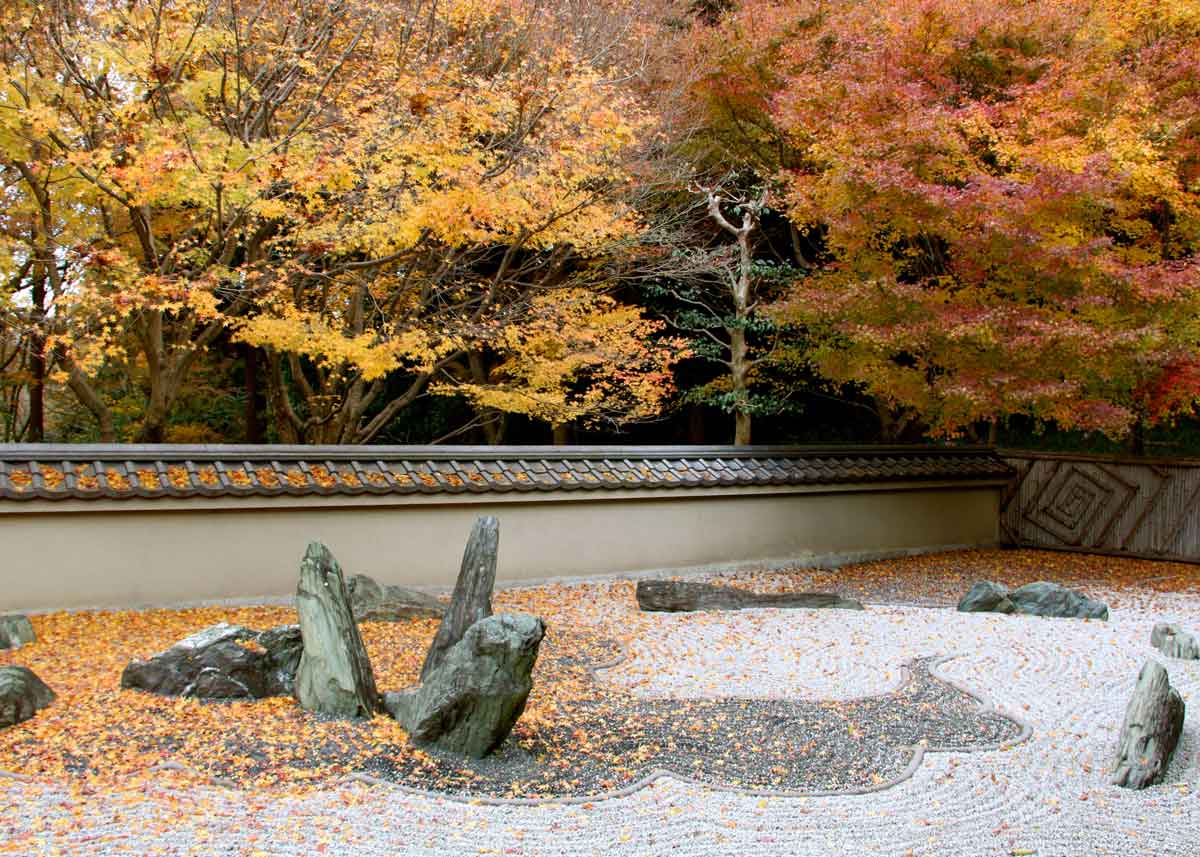

Regardless of your location, there are a number of different landscapes. They include plains, tablelands, wetlands, savannahs, and cultural landscapes. Each of these types has its own distinct attributes, and knowing which type you are looking at can help you choose your next travel destination.
Plains
Plains are a type of land that is level and generally devoid of trees and mountains. Plains can be formed by the action of water, wind, glaciers, magma, and tectonic activity.

They are also referred to as savannas, deserts, or grasslands. They can be found in most parts of the world. There are six different types of plains: Normal, Glacial, Alluvial, Lacustrine, Erosional, and Abyssal.
Plains can be found on all seven continents. The Great Plains of the U.S. and the West Siberian Plain are the largest plains on Earth.
Plains are important to agriculture, and their flat surfaces make it easier to plant crops. They are also a home to over a thousand species of plants. Their climate is continental, meaning it is warm and dry.
Savannahs
The savanna is the largest type of vegetation found in the tropics. It covers half of Africa, as well as portions of Asia and South America.
Savannas are characterized by the presence of nearly continuous grassy layer that is scattered with trees and shrubs. They are often used for farming and for livestock grazing Landscaping Meridian. These landscapes are known for their diverse plant and animal species.
Animals in savannas use camouflage and speed to outrun predators. These animals include elephants, giraffes, rhinoceroses, lions, and ostriches. Some species are generalists, meaning they exploit the characteristics of both grassland and woodland habitat. Other animals have learned to burrow into the ground to survive.
There are many reasons why savannas are not as intact as they once were. One reason is climate change. A lack of rainfall can lead to natural fires. Fires clear dead grasses and make room for new growth.
Tablelands
Tablelands are a type of landform characterized by a flat surface and a banded composition of minerals. These flat areas provide precious land resources to human settlements and agriculture. But they are prone to serious gully erosion. Therefore, the study of tableland shrinkage is very important. It will help protect the Loess Plateau and its surrounding ecosystems.
To date, there have been many efforts to investigate the shrinkage of tableland areas. However, a detailed plateau-scale inventory of these areas is still lacking. This study aims to generate a quality inventory of tableland areas across the Chinese Loess Plateau.
The dominant processes that are used to explain the wide-range of landforms in tableland areas differ depending on the mechanical and hydrogeological properties of the lithological materials. The study shows that these processes are spatially variable.
Wetlands
Wetlands are important ecosystems that have many benefits to human society. They provide clean water, shelter, nutrients, materials and habitat. They also serve as nurseries for young fish and a place to spawn. Moreover, they help in reducing the effect of downstream flooding.
While they are an essential part of a healthy environment, they are vulnerable to environmental changes and threats. As such, wetlands have been protected by laws and regulations. However, they still face a threat from over-use and inappropriate land management practices.
The World Wildlife Fund (WWF) works to preserve wetlands. These landscapes are home to countless species, including birds, mammals, and plants. Many people depend on them for food and shelter. In addition, wetlands can store greenhouse gases.
There are several different types of wetlands. They can be saltwater or freshwater. Freshwater wetlands include marshes, swamps, and emergent plant communities. Non-tidal marshes are typically brackish or alkaline, while bogs are acidic.
Cultural landscapes
A cultural landscape is a geographic area that is influenced by people. It may involve historic sites, gardens, parks, or any number of physical structures and processes. These landscapes provide an insight into different cultures and world views.
They may also include economic and cultural activities. In addition, they may reflect the culture of the community that creates them.
Cultural landscapes are a key component of territorial planning. Despite their importance to communities, they are under threat from climate change. As a result, they require special management. The key to building climate resilience in these complex systems is to encourage local engagement and empowerment. This requires a regulatory framework to facilitate cooperation among stakeholders.
As climate change continues to impact these complex systems, more studies are needed to understand the barriers to building resilience. For example, what are the main barriers to promoting adaptive capacity in cultural landscapes?