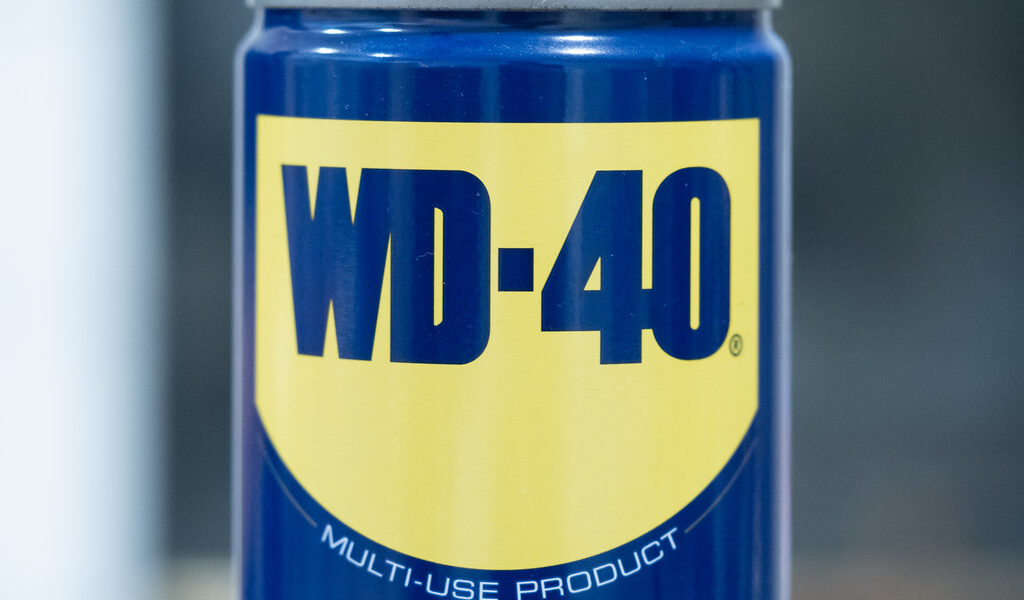

For any handyman, having the right tools is crucial to efficiently tackle various tasks and projects. Among the many tools and products that fill a handyman’s toolbox, WD40 stands out as an indispensable asset. Known for its versatility, WD-40 offers a range of benefits, from lubrication and rust prevention to cleaning and protection. This article explores why WD-40 is essential for every handyman’s toolbox and provides practical tips on how to make the most of this multifaceted product.
Understanding WD-40
What is WD-40?
WD-40, which stands for “Water Displacement, 40th formula,” was developed in 1953 by the Rocket Chemical Company. Initially designed to prevent rust and corrosion in aerospace applications, WD-40 has since become a household name, renowned for its wide range of uses. Its unique formulation includes lubricants, penetrants, water-displacing agents, and cleaning agents, making it suitable for various applications.
Key Properties
- Lubrication: Reduces friction and wear on moving parts.
- Penetration: Loosens rusted or stuck components.
- Water Displacement: Prevents rust by repelling moisture.
- Cleaning: Removes grease, grime, and adhesive residues.
- Protection: Leaves a protective barrier against rust and corrosion.
Essential Uses of WD-40 for Handymen
1. Lubricating Moving Parts
Ensuring Smooth Operation
One of the primary uses of WD-40 is to lubricate moving parts. From door hinges and locks to mechanical components, WD-40 ensures smooth operation and reduces wear and tear.
Steps to Lubricate Moving Parts
- Identify: Locate the parts that need lubrication.
- Clean: Remove any dirt or old lubricant.
- Spray: Apply WD-40 directly onto the moving parts.
- Operate: Move the parts to distribute the lubricant evenly.
- Wipe Excess: Remove any excess WD-40 to prevent dirt attraction.
Benefits
- Reduces Friction: Ensures parts move smoothly and quietly.
- Extends Lifespan: Minimizes wear and prolongs the life of components.
2. Preventing Rust and Corrosion
Protecting Metal Surfaces
Metal surfaces, especially those exposed to moisture, are prone to rust and corrosion. WD-40 provides a protective barrier that prevents these issues.
Steps to Protect Metal Surfaces
- Clean: Ensure the metal surface is clean and dry.
- Spray: Apply a light coat of WD-40 to the metal surface.
- Wipe: Use a clean cloth to spread the product evenly, leaving a thin protective layer.
Benefits
- Prevents Rust: Shields metal surfaces from moisture and corrosive elements.
- Prolongs Life: Increases the durability of metal components.
3. Loosening Rusted Bolts and Nuts
Easing Stubborn Fasteners
Rusted bolts and nuts can be a significant challenge during repairs and maintenance. WD-40 penetrates rust and loosens these fasteners, making removal easier.
Steps to Loosen Rusted Bolts and Nuts
- Spray: Apply WD-40 to the rusted bolt or nut.
- Wait: Allow it to sit for a few minutes to penetrate the rust.
- Turn: Use a wrench to turn the bolt or nut. Reapply WD-40 if necessary.
Benefits
- Saves Time: Makes removing rusted fasteners quicker and easier.
- Reduces Effort: Minimizes the physical effort needed to loosen stuck parts.
4. Cleaning Tools and Equipment
Maintaining a Clean Toolkit
Tools and equipment can accumulate dirt, grease, and grime. WD-40 helps clean these items, ensuring they remain in good working condition.
Steps to Clean Tools and Equipment
- Spray: Apply WD-40 directly onto the tools or equipment.
- Wipe: Use a clean cloth to wipe away dirt and residues.
- Repeat: Repeat as necessary until the tools are clean.
- Protect: Apply a light coat of WD-40 to prevent rust.
Benefits
- Effective Cleaning: Removes grime and residues effectively.
- Protects Tools: Prevents rust and keeps tools in good condition.
5. Removing Adhesive Residues
Dealing with Sticky Situations
Stickers, labels, and tape often leave behind adhesive residues that can be challenging to remove. WD-40 effectively dissolves these residues.
Steps to Remove Adhesive Residues
- Spray: Apply WD-40 to the adhesive residue.
- Wait: Let it sit for a few minutes to break down the adhesive.
- Wipe: Use a clean cloth to wipe away the residue.
- Clean: Wash the area with soap and water to remove any WD-40 residue.
Benefits
- Quick and Easy: Dissolves adhesive residues efficiently.
- Versatile: Can be used on various surfaces without causing damage.
Specialty Uses of WD-40 for Handymen
6. Maintaining Power Tools
Ensuring Smooth Operation
Power tools require regular maintenance to function effectively. WD-40 can lubricate and protect these tools, ensuring they operate smoothly.
Steps to Maintain Power Tools
- Clean: Remove any dirt and debris from the power tools.
- Spray: Apply WD-40 to moving parts and exposed metal surfaces.
- Operate: Run the tools briefly to distribute the lubricant.
- Wipe Excess: Remove any excess WD-40.
Benefits
- Enhances Performance: Keeps power tools running efficiently.
- Prolongs Lifespan: Reduces wear and protects against rust.
7. Preparing Surfaces for Painting
Ensuring Better Adhesion
Certain surfaces, like metal and plastic, can be challenging to paint. WD-40 helps prepare these surfaces for better adhesion.
Steps to Prepare Surfaces for Painting
- Clean: Ensure the surface is clean and dry.
- Spray: Apply a very light coat of WD-40 and wipe it off immediately.
- Paint: Proceed with painting the surface.
Benefits
- Improves Finish: Ensures paint adheres better to smooth surfaces.
- Prevents Peeling: Reduces the risk of paint peeling or flaking.
8. Removing Rust from Metal Objects
Restoring Rusty Items
WD-40 can help remove rust from metal objects, restoring them to their original condition.
Steps to Remove Rust
- Spray: Apply WD-40 to the rusted area.
- Wait: Let it sit for a few minutes to penetrate the rust.
- Scrub: Use a wire brush or steel wool to scrub away the rust.
- Wipe: Wipe the area clean with a cloth.
Benefits
- Effective Removal: Quickly breaks down and removes rust.
- Restores Appearance: Brings metal objects back to their original condition.
9. Protecting Outdoor Equipment
Preventing Rust and Wear
Outdoor equipment, such as lawnmowers and garden tools, can benefit from WD-40’s protective properties.
Steps to Protect Outdoor Equipment
- Clean: Ensure the equipment is clean and dry.
- Spray: Apply a light coat of WD-40 to metal parts.
- Wipe: Use a clean cloth to spread the product evenly and remove excess.
Benefits
- Prevents Rust: Protects metal parts from rust and corrosion.
- Extends Lifespan: Keeps outdoor equipment in good condition.
10. Enhancing Electrical Connections
Preventing Moisture Damage
Electrical connections can suffer from moisture damage. WD-40 helps protect these connections from moisture and corrosion.
Steps to Protect Electrical Connections
- Disconnect: Safely disconnect the electrical connections.
- Spray: Apply WD-40 to the connectors and terminals.
- Reconnect: Reattach the electrical components securely.
- Seal: Use electrical tape or waterproof sealant for added protection.
Benefits
- Prevents Corrosion: Protects electrical components from moisture damage.
- Ensures Reliability: Maintains the reliability of electrical connections.
Conclusion
WD-40 is an indispensable tool for every handyman’s toolbox. Its versatility and effectiveness make it a go-to solution for a wide range of tasks, from lubricating moving parts and preventing rust to cleaning tools and removing adhesive residues. By incorporating WD-40 into your regular maintenance routine, you can ensure your tools, equipment, and projects are always in top condition. Remember to use WD-40 safely and responsibly to maximize its benefits and minimize any potential risks. With WD-40, you have a reliable and versatile ally that will help you tackle any task with ease and efficiency.