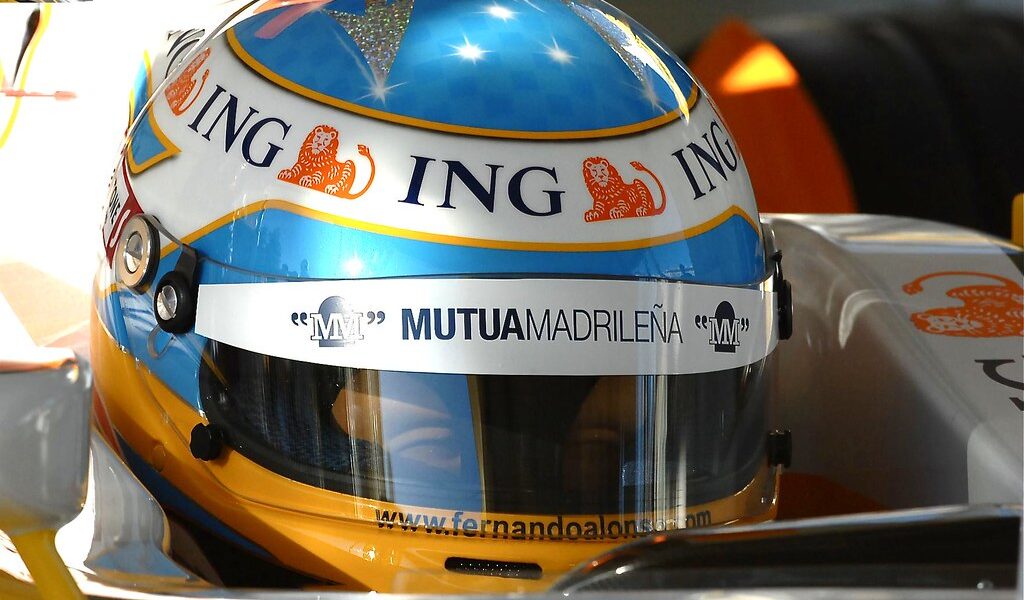

In the realm of motorsports, a racing helmet is not just a piece of equipment; it’s a lifeline. It embodies a crucial intersection of safety, technology, and personal expression. However, even the most advanced helmet isn’t designed to last forever. Over time, wear and tear, along with advancements in safety technology, necessitate the replacement and upgrade of your racing helmet.
This article delves into the key considerations and timing for replacing your racing helmet, ensuring you’re always equipped with the best protection possible.
Understanding Helmet Lifespan
Material Degradation
Helmet materials, particularly the impact-absorbing liner, degrade over time due to environmental factors like UV exposure, temperature fluctuations, and the natural breakdown of materials. This degradation can compromise the helmet’s ability to protect you in a crash.
Technological Advancements
The field of helmet safety technology is continually evolving. What was cutting-edge five years ago may now be obsolete, as new materials, construction methods, and safety features are developed.
Key Indicators for Replacement
After an Impact
The most critical rule in helmet care is to replace your helmet after a significant impact. Even if there are no visible signs of damage, the integrity of the helmet may be compromised. Impact forces can cause internal damage to the helmet’s structure, reducing its protective capabilities in future incidents.
Wear and Tear
Regular inspection of your race car helmet can reveal signs of wear and tear that necessitate its replacement. Look for cracks in the shell, fraying straps, or deterioration in the padding. These signs indicate that the helmet’s structural integrity may be compromised.
Changes in Safety Standards
Helmet safety standards, such as those set by the Snell Memorial Foundation or the Fédération Internationale de l’Automobile (FIA), are periodically updated to reflect the latest in safety research and technology. If your helmet does not meet the current standards, it’s time for an upgrade.
Fit Changes
A proper fit is crucial for a helmet’s effectiveness. Changes in your physicality, hair length, or preference can affect how your helmet fits. If your helmet no longer fits snugly or comfortably, it’s time to consider a replacement.
When to Replace: A Timeline
Snell’s Recommendation
The Snell Memorial Foundation recommends replacing your helmet every five years from the date of purchase or the manufacturing date if the helmet remains unused for a time. This timeline accounts for the potential degradation of materials and advancements in safety technology.
Manufacturer Guidelines
Many helmet manufacturers also provide their own recommendations for replacement timelines. These guidelines can vary based on the materials and construction techniques used, so it’s essential to consult your helmet’s documentation.
Choosing Your Next Helmet
Safety Standards
Ensure your new helmet meets or exceeds the current safety standards relevant to your racing discipline. Look for certifications from Snell, FIA, or other recognized safety organizations.
Fit and Comfort
Try on multiple helmets to find the best fit. Consider helmets with adjustable padding or liners to fine-tune the fit for maximum comfort and safety.
Advanced Features
Consider helmets with advanced safety features such as multi-directional impact protection systems (MIPS), emergency release systems, and improved ventilation. These features can offer enhanced protection and comfort.
Compatibility with Other Safety Gear
Ensure your new helmet is compatible with any additional safety gear you use, such as head and neck support devices. Compatibility is crucial for the effectiveness of your safety equipment.
Beyond Safety: The Role of Aesthetics
While safety should always be the primary concern, the aesthetic design of a helmet can also play a significant role in a racer’s identity and confidence on the track. Upgrading your helmet offers an opportunity to refresh your racing image with new colors, graphics, and personalization options.
Conclusion
Replacing your racing helmet at the appropriate time is a critical component of maintaining your safety on the track. By staying informed about the signs of wear, impact damage, and advancements in helmet technology, you can ensure that you’re always racing with optimal protection. Remember, a helmet is more than just a piece of gear; it’s a critical investment in your safety and performance in the demanding world of motorsports. Upgrading your helmet not only aligns you with the latest in safety advancements but also renews your commitment to prioritizing safety in every lap.