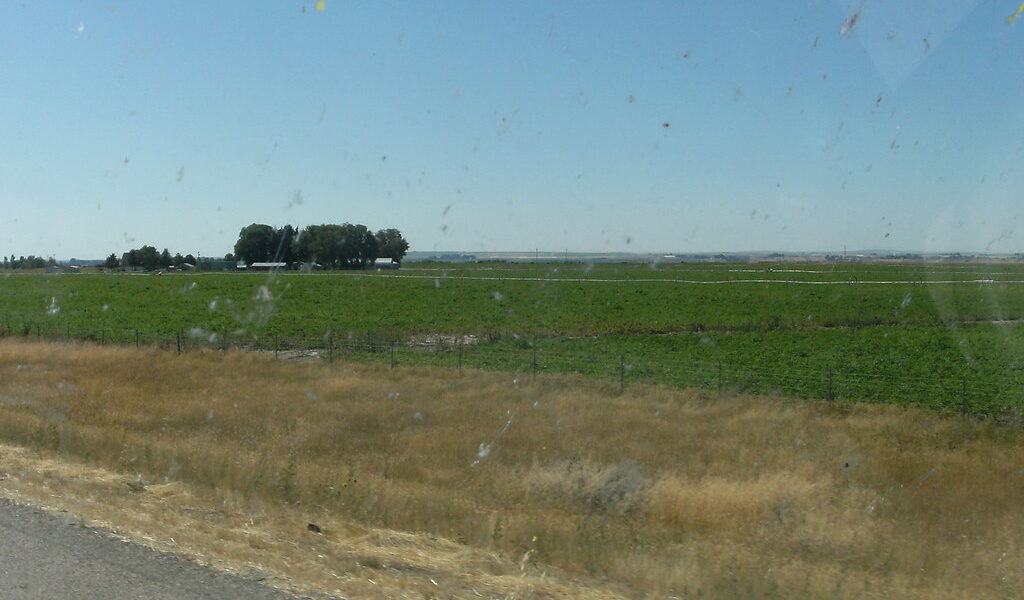

Selling land for cash to farmers is a unique and rewarding endeavor for landowners. Farmers are constantly seeking land to expand their agricultural operations, and for many, purchasing land can be a long-term investment that contributes to their livelihood. In this article, we’ll explore the process of selling land to farmers for cash, the benefits it offers, and the essential steps involved in this transaction.
Why Sell to Farmers?
Selling land to farmers offers several advantages for landowners:
- Supporting Agriculture: Selling land to farmers can contribute to the growth of the agricultural sector, which is crucial for food production and rural economies.
- Stable and Long-Term Investment: Farmers often view land as a stable, long-term investment. They are committed to maintaining and enhancing the land, which can result in well-maintained property and appreciation in value.
- Sustainability: Farmers are generally interested in sustainable land management practices. If your land is suitable for farming, it may align with the farmer’s goals for responsible land use.
- Cash Sale: Farmers may be in a position to make a cash purchase, which can expedite the selling process and reduce the need for financing.
Essential Steps for Selling Land to Farmers
The process of selling land to farmers for cash involves several key steps:
1. Assess Your Land
Before listing your land for sale, assess its suitability for farming. Factors to consider include soil quality, topography, water availability, drainage, and accessibility. Understanding these features will help you attract the right farmers and set a competitive asking price. Find more info
2. Market Your Land
Create an appealing marketing package for your land. High-quality photographs and detailed descriptions are essential. Highlight features like fertile soil, water sources, existing infrastructure, and any improvements you’ve made to the property. Emphasize the land’s potential for various agricultural uses, such as crop cultivation, livestock, or specialty farming.
3. Price Your Land Competitively
Pricing your land competitively is crucial. Consult with a local appraiser or real estate agent experienced in agricultural land sales to determine the appropriate market value. Farmers are generally well-informed about land prices, and a reasonable asking price is more likely to attract serious buyers.
4. Research Local Farmers
Research local farmers and farming organizations in your area. Attend agricultural events and network with farmers at farmers’ markets, agricultural fairs, or cooperative meetings. Building relationships with local farmers can lead to valuable connections and potential buyers.
5. Utilize Online Platforms
Utilize online platforms to reach a broader audience of farmers. Websites like FarmRealEstate.com, FarmlandSearch.com, and even general real estate platforms like Zillow can be effective tools for marketing your land to farmers. Ensure your online listings are complete and include all relevant details about your property.
6. Attend Agricultural Events
Participating in agricultural events, such as agricultural fairs, farm shows, and local farm auctions, can be an excellent way to meet potential buyers and showcase your land. Farmers attending these events are actively engaged in the industry and may be seeking land to expand their operations.
7. Contact Agricultural Organizations
Reach out to local agricultural organizations and cooperative extensions. These groups often have connections with farmers seeking land. They may be able to recommend potential buyers or connect you with resources to market your property effectively.
8. Arrange Property Tours
Offer tours of your land to interested farmers. Allow them to see the property firsthand, assess its suitability for their needs, and envision their agricultural operations on the land. Providing this opportunity can enhance the buyer’s confidence and interest in your property.
9. Negotiate Terms
When you receive offers from farmers, be prepared to negotiate terms. Farmers may have specific requirements and may wish to discuss elements like soil testing, land improvements, or future land use. Flexibility in negotiations can lead to a successful agreement.
10. Due Diligence
Farmers often conduct due diligence to assess the property’s suitability for their farming objectives. They may request soil tests, water quality assessments, and surveys. Cooperate with these requests and provide access for necessary inspections.
11. Legal and Financial Review
Work with a real estate attorney to draft and review the sale contract. Ensure the contract complies with local regulations and that all legal requirements are met. Consult with a financial advisor to assess the financial implications of the transaction, including any potential tax considerations.
12. Close the Deal
Once the terms are agreed upon, farmers will secure the necessary funds to complete the purchase. The closing process involves the exchange of funds and the transfer of ownership. An escrow service can help ensure a secure and transparent transaction.
Key Considerations When Selling to Farmers
Selling land to farmers has unique considerations:
1. Land Suitability: Farmers have specific requirements for their land, so it’s important to highlight the agricultural suitability of your property. Factors like soil quality, drainage, access to water, and topography play a significant role in attracting the right buyers.
2. Land Use Planning: Be prepared to discuss the property’s history, land use, and any potential restrictions or easements. Transparency and documentation about the land’s previous uses and zoning regulations are important.
3. Agricultural Knowledge: Farmers often have a deep understanding of land and farming practices. Be prepared to engage in knowledgeable discussions and answer questions about your property. Familiarize yourself with agricultural terms and concepts relevant to your land.
4. Conservation Easements: Some farmers may be interested in conservation easements that restrict certain land uses for conservation purposes. Be open to discussing such arrangements if they align with the farmer’s goals.
5. Sustainable Farming Practices: Highlight any sustainable farming practices or features on your land, such as organic certification, renewable energy sources, or conservation practices. These may be appealing to environmentally conscious farmers.
6. Local Market Conditions: Keep an eye on local market conditions and agricultural trends. Understanding the local demand for farmland and current market prices can help you make informed decisions about pricing and marketing your property.
In conclusion, selling land to farmers for cash is a rewarding and valuable opportunity for landowners. It contributes to the growth of the agricultural sector and provides benefits to both parties. By effectively marketing your land, pricing it competitively, and building relationships with local farmers, you can navigate the process successfully. Transparency, due diligence, and legal and financial expertise are essential for a smooth and secure transaction. Selling your land to a farmer can lead to a mutually beneficial agreement that supports agriculture and helps you maximize the value of your property.