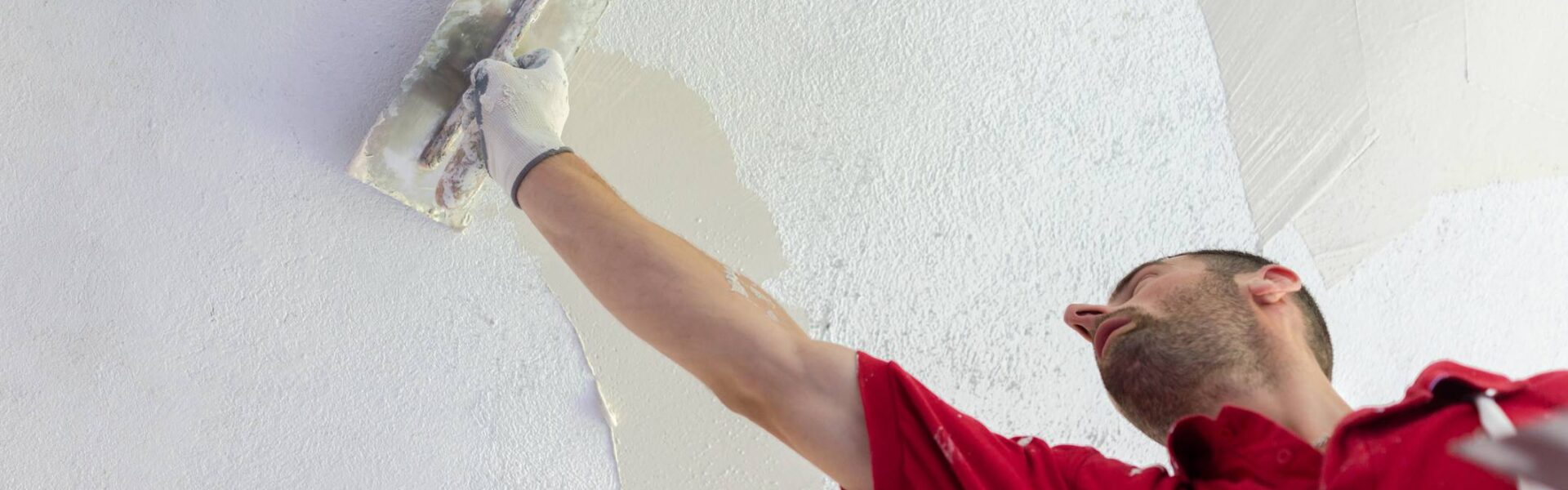

Plastering walls is a vital part of the construction process. It provides protection, and also helps in the decoration of a building. It also allows for various textures to be applied.
It can be used on brick, stone, half-timber, and frame buildings. It can be moulded, cast, incised, dyed, stamped, or stencilled.
Strength
Historical plaster walls and ceilings provide an opportunity to learn about the handwriting and taste of the original occupant’s Stallion Plastering – Merseyside Plaster. The textured surfaces are also an important part of the history of a house and should be left intact as much as possible.
Plaster is stronger than drywall and can resist dents better than other materials. However, it takes a lot more skill to install and finish. In addition, plastering requires a breathable substrate like wood lath and lime or clay plaster. It is not as labor-intensive as gypsum wallboard but can be much slower to dry and more difficult to repair.
Traditionally, plaster was made from lime putty, sand, and water with either straw or animal hair for reinforcement. The plaster was applied to wood lath or directly to a masonry base. It was usually a two-coat system: The scratch coat established the bond, or keys, with the base substrate. The brown coat, which added mass and surface, was then topped with the finish or white coat.
Durability
When done correctly, plaster is very durable. It can withstand structural movement in the building and surface abrasion. The durability of plaster is dependent on the quality of the materials and workmanship. A bad mix of gypsum or cement, a skimp on lime, or over-sanding can weaken plaster.
It takes a lot of skill to do a good plaster job. It takes longer to install and finish plaster than drywall, and it’s easy to make mistakes that are difficult to fix.
Cracks and dents should be filled with paintable caulk. Larger holes should be patched and sanded down. The sanding should be done with rough and fine grits so the plaster is smooth before priming. A quality primer helps the paint stick to the plaster and blocks decades of potential stains from bleeding through the fresh topcoat. It also makes the wall more resistant to moisture. Lead-based paint was a common ingredient in plaster walls of the past, so it’s important to test for lead before painting.
Aesthetics
Aesthetics are a major concern when plastering and painting. It’s essential that you use the right materials, as well as ensure your work is cured properly. This will help to prevent paint peeling issues in the future.
Plaster is used for decorative finishes, and it hides rough surfaces, porous materials, faulty workmanship, and other construction imperfections. This makes it ideal for retail spaces, such as restaurants or boutiques, and it’s also often used in public buildings that must last for decades or centuries, like libraries or government offices.
Plaster is manufactured as a dry powder and mixed with water to form a stiff but workable paste. This is then applied to a wall or ceiling. There are several different types of plaster. Smooth cast consists of a mix of cement and fine sand that’s applied using a wooden float. Rough cast is similar, but it contains coarse aggregate and a gravelly sand/coarse aggregate mixture that’s spread with a trowel.
Safety
Plaster is a building material that can be used in many different ways to decorate walls. It is a dry powder that reacts with water to form a paste and harden. It may contain lime, gypsum, cement, clay or even marble dust. Modern plasters are usually made of a mix of cement and fine sand. They are applied with a wooden float.
It provides a good surface for painting. It can hide construction imperfections, porous materials, faulty workmanship and rough surfaces. It also increases the moisture, heat and sound insulation of a wall.
Using the right technique is essential in plastering. It requires the proper movement of hand and tools to acquire a smooth finish and symmetry. Safety is also a major factor in this type of work. Plasterers use a range of personal protective equipment including odour masks, ladder safe shoes and protective eyewear. This helps to prevent high-risk hazards associated with the trade such as musculoskeletal injuries, working at heights and airborne dust.